
5 Ineffective Fitness Habits That Waste Your Time!

Habit 1: Exercising Without Goals and Plans
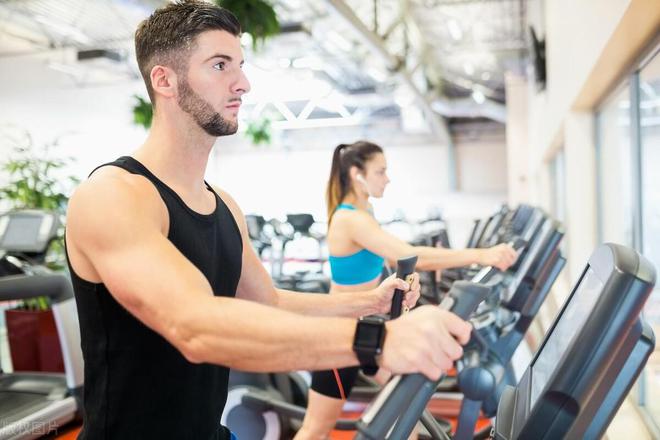
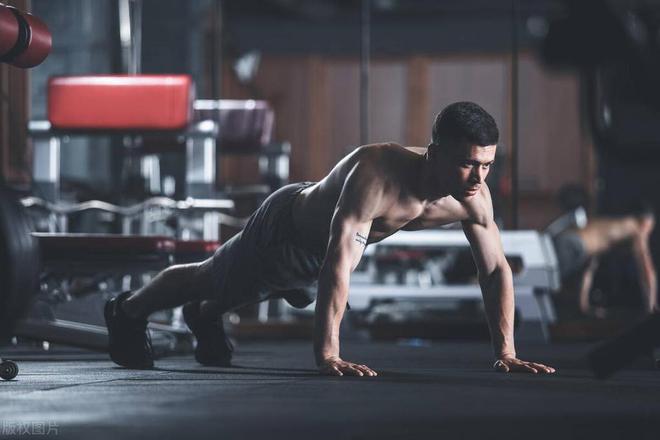
When you go to the gym, do you have nothing but enthusiasm without a clear plan? Do you only run on the treadmill, do squats, and aerobics before going back?
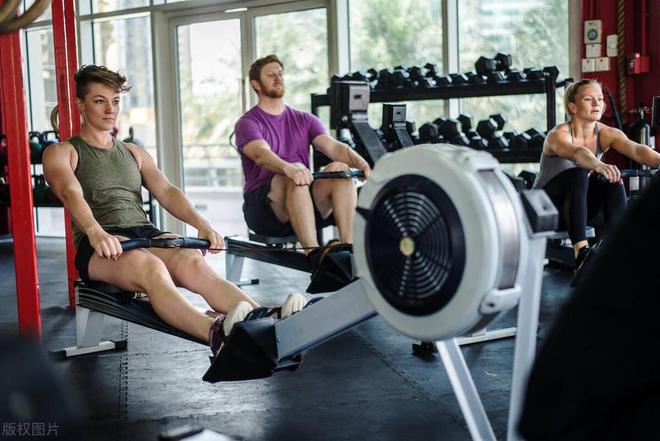
This haphazard approach to exercise not only makes it difficult to achieve the desired fitness results but can also throw your body into disarray. Fitness is a process that requires systematic planning. You need to develop detailed weekly, monthly, and even annual plans based on your physical condition, goals, and schedule. This allows you to track your progress and achieve more with less effort.
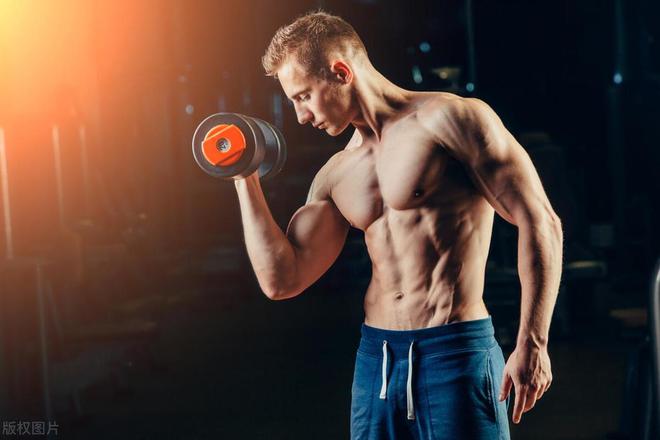
If your goal is to build muscle, you need to meticulously plan the frequency, intensity, and rest periods for each muscle group. If it’s for fat loss, you should reasonably arrange the ratio of aerobic exercise and strength training, as well as control your dietary calorie intake.
Habit 2: Skipping Exercise During the Week and Overdoing It on Weekends
On weekdays, these individuals always find various excuses to avoid exercise, whether it’s due to busy work, fatigue, or sheer laziness. However, when the weekend comes, they are driven by guilt or inspired by something and begin intense workouts.
They attempt to make up for a week’s lack of exercise in just two days. This extreme method is not only useless for the body but can also lead to serious injuries.
Fitness should be progressive, and the improvement of physical endurance is a gradual process. Not exercising during the week and suddenly engaging in intense exercise on weekends can easily lead to muscle strains, joint injuries, and even put too much strain on the heart.
Moreover, on the following workday, the body may experience delayed onset muscle soreness due to overtraining, making one feel particularly tired and affecting work efficiency.
Habit 3: Exercising for 10 Minutes, Taking Photos for an Hour
Some people spend only 10 minutes exercising but take a full hour to take photos. They are not truly focused on the exercise itself but are more enthusiastic about taking photos to show off their ‘fitness image’ on social media.
They carefully select angles, strike various seemingly professional poses, and spend a lot of time editing photos, while the actual time spent exercising is pitiful.
Such ‘performance’ fitness behavior undoubtedly deviates from the original intention of fitness. It not only fails to bring about substantial physical changes but also wastes valuable time and fitness resources.
Habit 4: Ignoring Warm-ups Before and Stretching After Exercise
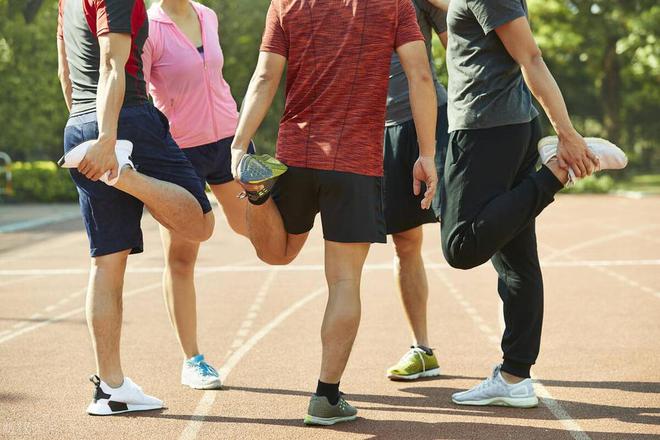
Many fitness enthusiasts overlook the importance of warm-ups and jump straight into high-intensity training. Warm-ups can effectively raise body temperature, increase joint flexibility, activate relevant muscle groups, and prepare the body fully for formal exercise. Skipping warm-ups can easily lead to accidental injuries such as muscle strains and joint sprains.
After completing a fitness workout, many people also hastily leave, neglecting the crucial step of stretching. The muscles are tense and fatigued after a workout. Without proper stretching, muscle fibers can accumulate, leading to muscle soreness, stiffness, and potentially affecting muscle elasticity and flexibility in the long run.
Habit 5: Improper Exercise Techniques
During your fitness journey, have you neglected proper exercise techniques, relying only on your intuition or imitating others’ superficial movements without understanding the correct principles and details of each movement?
Incorrect postures and movements not only significantly reduce the effectiveness of the workout but also increase the risk of unexpected fitness accidents and health hazards. Long-term improper exercise movements can lead to incorrect exercise habits, causing muscle imbalance and negatively affecting posture.
For example, when squatting, some people may hunch their backs and knees inward, putting immense pressure on the waist and knees, increasing the risk of injury.
During bench presses, if the angle of the arms is incorrect, the chest muscles may not be sufficiently stimulated, while the shoulders may bear too much pressure, preventing the development of a full chest muscle.