
As individuals enter middle age, the rate of bodily aging accelerates, leading to muscle degeneration. This results in a decrease in basal metabolic rate and increased susceptibility to fat accumulation, potentially leading to various health issues. It’s crucial to understand that muscles are valuable tissues that protect our bones and organs. After the age of 40-50, bone loss accelerates, and increasing muscle mass can reduce the risk of osteoporosis, fend off diseases, maintain physical stamina, and enhance flexibility, effectively lowering the risk of injury.
To prevent muscle loss and effectively improve muscle quality during middle age, it’s essential to adopt the right methods beyond just weightlifting exercises. Here are five methods for middle-aged individuals to maintain muscle mass:
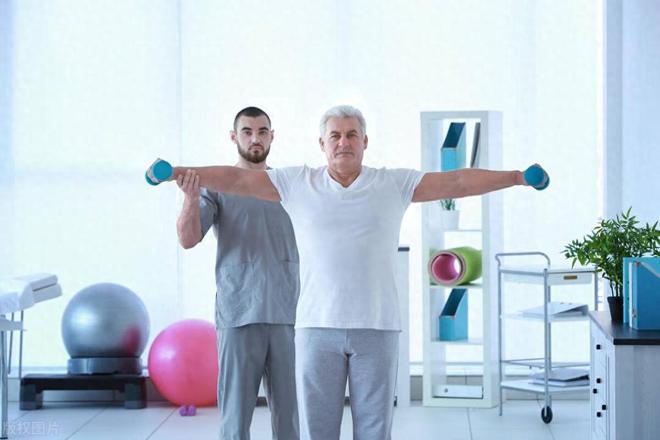

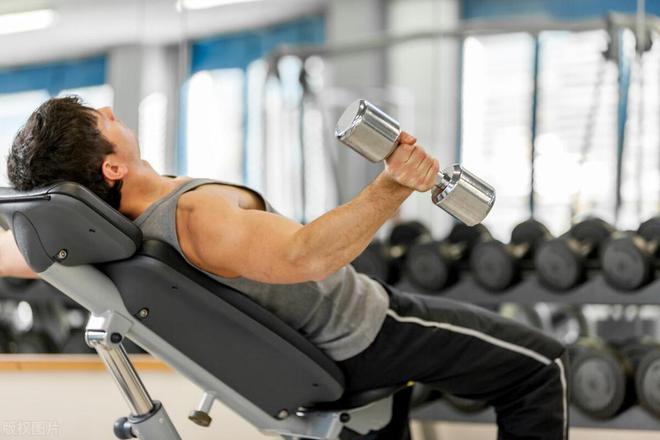



1. Prioritize compound exercises in strength training.
Appropriate strength training can enhance overall health, reduce the incidence of cardiovascular and cerebrovascular diseases, and contribute to longevity. Focus on compound exercises, which involve multiple joints, such as squats and lunges for the lower body, crunches, planks, and bicycle crunches for the abdominal muscles, bench press, flys for the chest, pull-ups, rowing, and deadlifts for the back, and lateral raises and shoulder presses for the shoulder muscles. Aim for 2-3 sessions per week, each lasting about half an hour, to comprehensively train all major muscle groups.
2. Supplement 1.3-2g of protein per kilogram of body weight daily.
Light workers should arrange for 1.3-1.5g of protein per kilogram of body weight daily, moderate physical workers for 1.5-1.8g, and heavy laborers and high-intensity athletes for 1.8-2g. Protein-rich foods such as chicken breast, eggs, dairy products, milk, shrimp, and salmon can be consumed in multiple meals across different times to improve protein absorption.
3. Engage in moderate amounts of aerobic exercise.
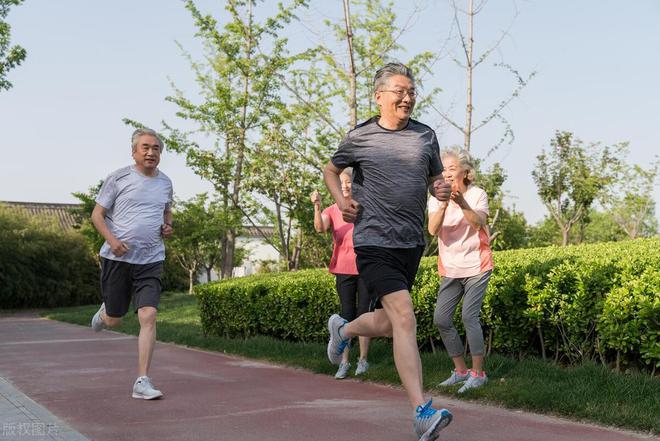
A sedentary lifestyle can slow down blood circulation and metabolism, leading to muscle loss. Moderate aerobic exercise can break this negative cycle, promoting blood flow and delivering sufficient oxygen and nutrients to muscles.
Thus, regular aerobic activities not only effectively prevent fat accumulation but also activate various muscle groups, creating favorable conditions for muscle growth and maintenance. For instance, aerobic exercises like jogging, swimming, and cycling, performed three to five times a week for over 30 minutes each session, can significantly improve metabolic function and athletic performance.
4. Supplement with high-quality carbohydrates.
During high-intensity exercise or daily activities, muscles consume a significant amount of energy, making timely replenishment of high-quality carbohydrates essential. Athletes focus on high-quality carbohydrate intake during training to ensure muscles remain in good condition under intense exercise. High-quality carbohydrates also help regulate blood sugar levels, preventing damage to muscles from excessive blood sugar fluctuations.
For those in muscle-building training, daily carbohydrate intake should account for 45%-65% of total caloric intake, approximately 5-8 grams of carbohydrates per kilogram of body weight. Foods like whole wheat bread, potatoes, brown rice, and oats, rich in dietary fiber and complex carbohydrates, provide a sustained and stable energy supply for the body.
5. Ensure adequate sleep and avoid overtraining.
Moderate strength training aids muscle growth, while overtraining can lead to chronic fatigue, increasing the risk of injury and causing muscle breakdown to exceed synthesis.
Therefore, it’s important to control the duration of strength training, avoid overtraining, and allow the targeted muscle groups to rest for 2-3 days after each session before starting the next round of training. Adequate sleep is also crucial, as the body enters a repair and growth mode during sleep, secreting a substantial amount of growth hormones, which are vital for muscle repair and growth. Studies show that ensuring 7-9 hours of high-quality sleep each night can significantly improve muscle recovery efficiency.