
If you’re diligently working out but not seeing muscle growth, consider these potentially harmful habits.
1. Consistent Training Intensity
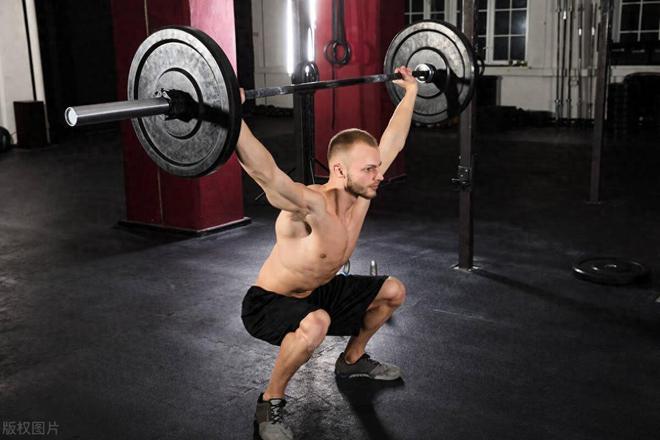
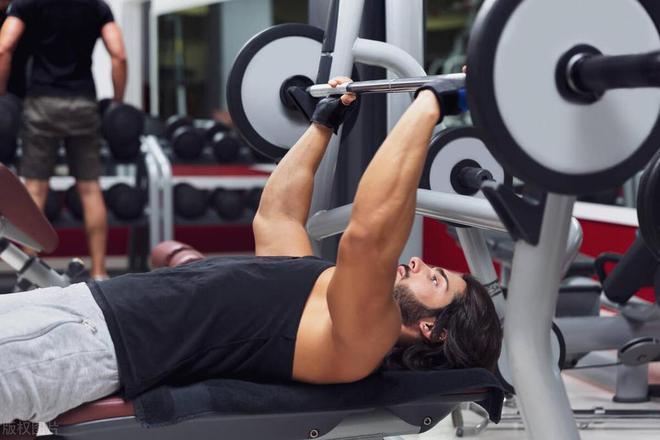

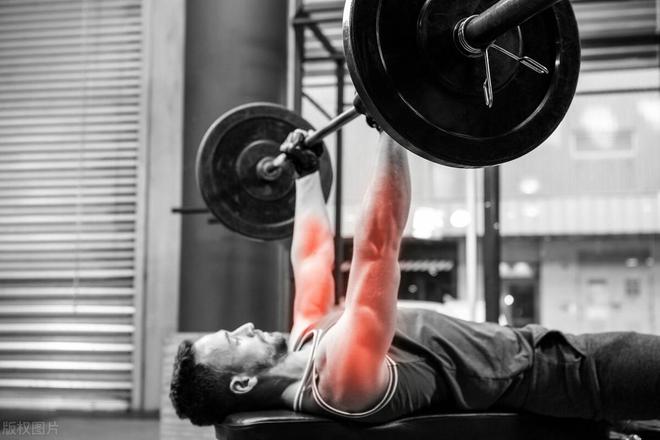


Muscle growth during the hypertrophic phase requires a progressively increasing load and challenge. If you maintain the same training intensity over a long period, your muscles will adapt to the stimulus and stop responding with significant growth.
For effective muscle growth, it’s crucial to regularly assess and increase training intensity, providing new stimuli to encourage continuous muscle development.
2. Insufficient Protein Intake
Those aiming to build muscle should understand that nutrition is as important as exercise. Neglecting nutrient supplementation while focusing solely on resistance training will not lead to well-developed muscles.
High-protein foods such as chicken breast, beef, eggs, dairy products, and fish and shrimp are excellent choices. Different foods have varying protein contents, and a daily intake of at least 90-150g of protein is necessary to meet the protein requirements for muscle growth.
3. Poor Movement Quality
When exercising, improper or inaccurate movements not only fail to effectively stimulate the target muscle groups but also increase the risk of injury.
A poor-quality movement does not fully engage the contraction and extension of the target muscles, preventing them from receiving maximum stimulation and exercise.
For example, during dumbbell curls, if your arm swings excessively or relies on body momentum to lift the dumbbells, the primary force may come from auxiliary muscle groups rather than the biceps, failing to achieve the desired muscle growth effect.
If during squats, your knees cave in excessively or you slouch, not only will it reduce the stimulation of leg and gluteal muscles, but it can also lead to joint damage, affecting subsequent training progress.
4. Insufficient Rest Time
Are you giving your targeted muscle groups enough rest after each workout? Adequate rest is essential for muscles to have time to repair and grow stronger.
Large muscle groups such as the back, thighs, and chest require three days of rest before starting the next round of training, while smaller muscle groups like the arms, abs, and shoulders need two days of rest. Without sufficient rest, muscles do not have time to repair and cannot become well-developed.
5. Lack of Aerobic Exercise
Although aerobic exercise does not directly strengthen muscle groups, it can improve cardiovascular fitness and physical endurance, allowing for better performance during resistance training sessions.
During the muscle-building phase, maintain a frequency of aerobic exercise rather than completely abandoning it. It is recommended to schedule 2-3 sessions of aerobic exercise per week, controlling the duration to no more than 40 minutes each time, and choosing moderate to high-intensity aerobic exercises to effectively prevent fat accumulation while enhancing performance during resistance training, thus promoting muscle growth.