
An individual’s metabolic rate determines the level of energy expenditure. Those with a high metabolism can consume more without gaining weight easily, making weight loss faster! Many people choose to diet and starve themselves during weight loss, which may yield good initial results. However, over the long term, this leads the body into a state of famine, activating protective mechanisms that reduce calorie output, making weight loss increasingly difficult.
How can you enhance your metabolic rate and burn more calories effectively? Here are 6 practical methods to help you burn more calories every day:
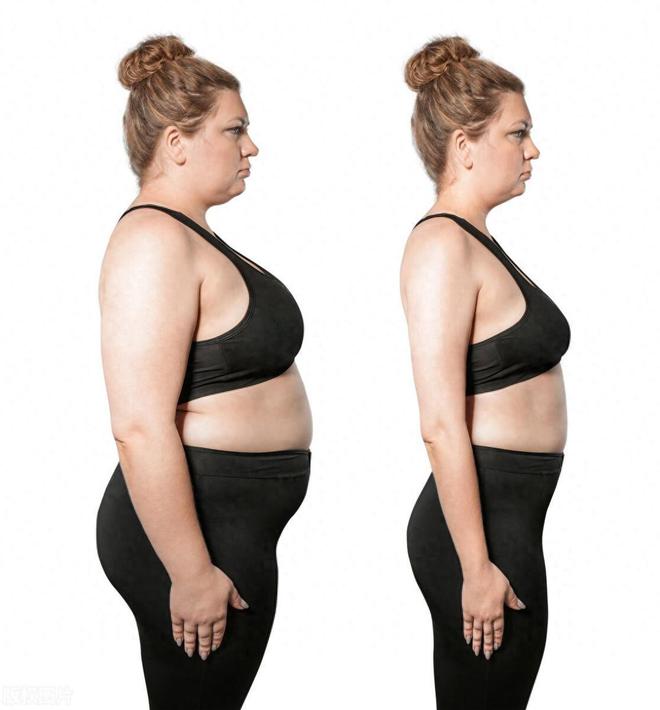





1. Learn to stop eating when you’re 80% full, not until you’re stuffed. Often, people who eat too quickly tend to overeat, which can stretch the stomach capacity, increase the burden on the digestive system, and lead to excessive calorie intake, which is not conducive to weight loss. By leaving some space in your stomach and maintaining an 80% full state, you can control calorie intake, gradually reduce stomach capacity, and avoid putting too much pressure on your digestive system. This will ensure better metabolic power and help manage your figure.
2. It is recommended to have regular meals three times a day rather than sporadic feasting or fasting. Irregular eating can disrupt the body’s metabolic rhythm and trigger protective mechanisms, causing the body to store calories instead of efficiently metabolizing them. Maintaining regular meals and avoiding snacks and afternoon tea can prevent the intake of excess calories, allowing the digestive system to work more efficiently, which aids in weight loss.
3. Increase the proportion of vegetables to more than half of your total food intake. Those trying to lose weight should consume more fiber-rich foods. Fiber expands after absorbing water, creating a feeling of fullness and reducing the intake of other high-calorie foods, effectively inhibiting fat synthesis. Eating more vegetables such as cabbage, broccoli, tomatoes, celery, wax gourd, and kale can also promote intestinal motility, help improve constipation, prevent the reabsorption of waste, and increase the body’s operational efficiency, which aids in weight loss.
4. Supplementing protein can enhance the thermic effect of food. Protein is one of the essential nutrients for the body and a crucial component for building muscle tissue. During weight loss, do not only consume fruits and vegetables but also supplement with high-quality protein, such as boiled chicken breast, blanched shrimp, steamed fish, and boiled eggs. Protein, being a macronutrient, takes longer for the body to break down, consuming more calories and enhancing the thermic effect of food. It also promotes muscle repair and synthesis. During weight loss, supplementing with meat can satisfy the desire to eat meat, significantly reducing the chances of overeating.
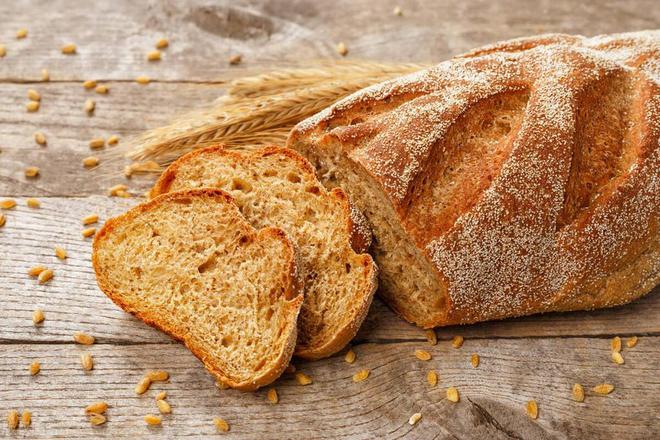
5. Choose low-GI staple foods that release glucose slowly. The type of staple food you consume during weight loss has a significant impact on blood sugar levels. High-GI staple foods cause a rapid increase in blood sugar, accelerating fat synthesis, while low-GI staple foods release energy slowly, leading to a steady increase in blood sugar and providing the body with sustained and stable energy. Therefore, we should consume more low-GI staple foods that release glucose slowly, such as brown rice, oats, whole wheat bread, tubers, and buckwheat. They are rich in dietary fiber, provide longer satiety, and can enhance the body’s metabolic rate.
6. Do not overlook resistance training. The most effective way to increase metabolic rate is to strengthen resistance training, such as squats, goat stands, presses, pull-ups, and chin-ups. Increasing muscle mass raises the basal metabolic rate, allowing you to burn more calories even at rest. We can maintain resistance training 2-3 times a week. Those who do not go to the gym can start with bodyweight exercises, and once they have a certain fitness foundation, they can purchase resistance bands, dumbbells, and other equipment for exercise to further stimulate muscle growth.