
I have successfully lost 26 pounds, going from 130 to 104, through a journey filled with misconceptions and detours, until I learned the scientific approach to weight loss. Here are some hard truths I’ve learned after achieving this goal:
Truth One: The most effective exercise for reducing belly fat is not running, but jumping jacks.

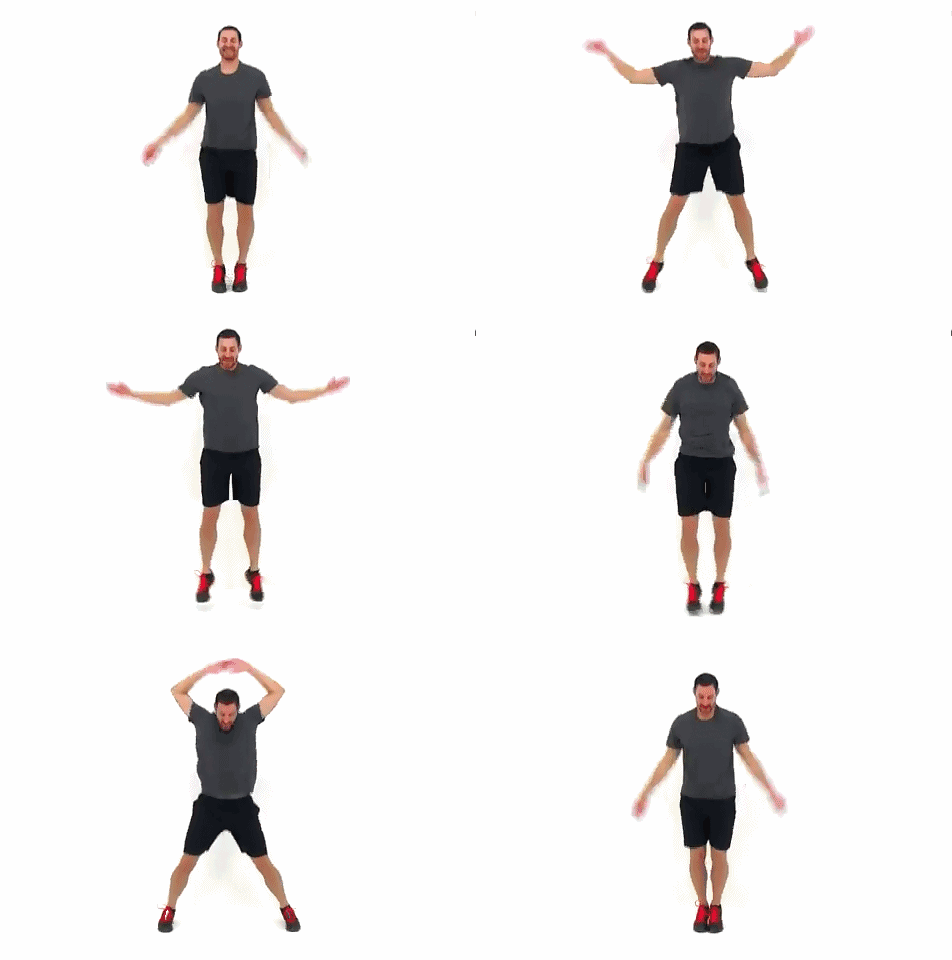




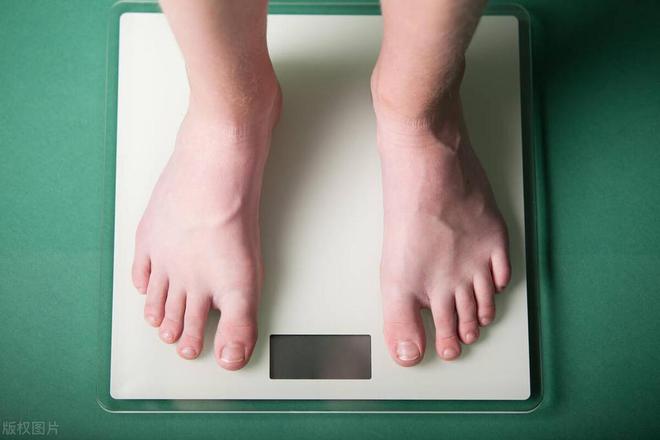
Running is a familiar form of exercise that can increase metabolic activity and promote a decrease in body fat percentage. However, when it comes to eliminating abdominal fat, running is not the best option. Scientific research indicates that the most effective exercise for reducing belly fat is not running, but jumping jacks.
During jumping jacks, every part of the body gets a thorough workout, especially the abdominal muscles. The coordinated movements of the hands and feet during jumping jacks can effectively activate the abdominal muscle groups, accelerating the burning of belly fat.
Compared to running, jumping jacks do not require a large space or specialized equipment and can be done anytime, anywhere. Jumping jacks can raise the heart rate in a relatively short time, allowing the body to enter a fat-burning state more quickly.
Just 15 minutes of jumping jacks can achieve the effects of a 30-minute jog, and the body will remain in a high metabolic state after the workout, continuing to burn calories and helping to reduce belly fat.
Truth Two: Weight loss certainly involves hunger, but not to the point of extreme starvation.
To shed excess body fat, it means creating a calorie deficit so that the body can consume its stored energy. In this process, we inevitably feel hungry, and only by maintaining a moderate sense of hunger while ensuring the body’s basic nutritional needs are met (eating enough to meet basal metabolic needs) can we effectively burn calories.
However, a moderate sense of hunger aids in fat breakdown, while extreme hunger is counterproductive to weight loss. This is because prolonged severe hunger can cause serious harm to health.
I experienced hair loss, anemia, and hormonal imbalances after a period of consuming only 500-600 calories per day, and research has found that extreme dieting can lead to decreased immunity, muscle loss, and even binge eating, undoing previous weight loss efforts.
Truth Three: Eating less does not necessarily mean a decrease in calorie intake.
Sometimes I thought I was eating very little, and the calories must have dropped significantly. But a calorie check revealed that I had underestimated the calories in many foods.
For example, I ate two cookies and a cup of milk for breakfast. Common cookies may contain 400-500 calories per 100 grams, and if two cookies weigh 50g, that’s equivalent to 200-250 calories, while a cup of milk contains 120 calories, totaling over 320 calories.
Such a breakfast combination is not filling, and I was hungry by 10 a.m., so I ate two egg tarts, with each tart containing 200 calories, totaling 520 calories for the morning.
This taught me that eating less does not necessarily reduce calorie intake. For weight loss, one should avoid low-satiety, high-calorie processed foods and opt for low-calorie, high-satiety lightly processed foods, such as: 100g of boiled broccoli contains only 35 calories, and eating half a kilogram of broccoli does not exceed 200 calories but can keep one full for 2-3 hours.
Truth Four: During weight loss, weight loss is not a straight line, but a fluctuating decline.
Weight includes muscle, water, fat, and other substances. I found that during weight loss, weight does not decrease in a straight line but fluctuates, which is normal.
When I first started controlling my diet and increasing exercise, my body consumed its glycogen reserves and expelled a lot of water, resulting in a noticeable initial weight loss.
If I ate heavy and salty food the day before, causing a lot of water to remain in my body and not expel it in time, my weight might actually increase the next day, which is the body’s self-regulation. Therefore, those who are losing weight should not be dominated by weight-related anxiety.