
As October begins, some regions have already experienced a cliff-like drop in temperature. With the lower temperatures of autumn and winter, the human body automatically increases its metabolic rate to maintain warmth. For those looking to lose weight, the colder seasons are the golden period for fat burning. By doing a few small things right, you can maintain a robust metabolism and continuously burn calories, avoiding the trouble of gaining weight during the cold seasons.
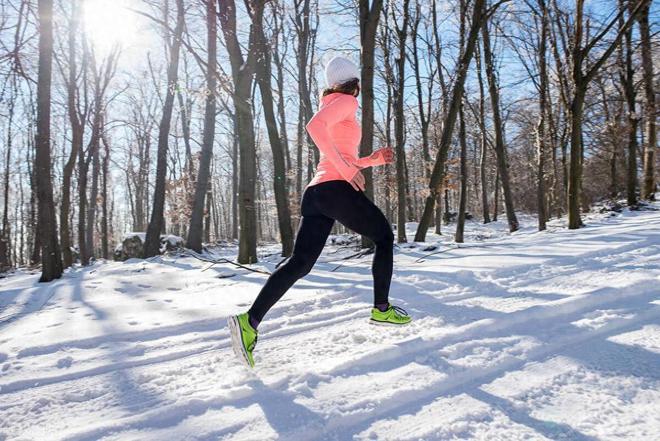
1. Engage in 15 minutes of exercise in the morning. The low-temperature environment will cause the body to burn more calories during exercise. You can choose exercises suitable for yourself, such as jumping jacks, jogging, or high-knee training. A 15-minute workout on an empty stomach in the morning can invigorate the body’s metabolism, keeping the body warm and resisting the invasion of cold air.



2. Maintain 2-3 strength training sessions per week. For example, push-ups, squats, lunges, and pull-ups are all golden strength exercises that can increase muscle mass. Muscle is the ‘engine’ of metabolism; the more muscle you have, the higher your metabolic rate will be.
3. Avoid prolonged periods of sitting still. Sitting for extended periods can lead to cold hands and feet, and impeded blood circulation. It is recommended to stand up and move for 10 minutes every hour to promote blood circulation, warm up the limbs, activate muscle groups, and prevent fat accumulation, keeping your legs agile.
4. Increase daily activity levels. Even simple activities like climbing stairs or doing more household chores can speed up the body’s metabolism. For instance, climbing stairs more frequently each day is equivalent to walking an extra distance, which can unconsciously increase energy expenditure.
5. Go to bed earlier. In the colder season, the days are shorter, and it is suitable for early sleep. Going to bed earlier can ensure adequate sleep, which helps regulate hormone levels, avoid late-night snacks, and allow you to burn more calories while sleeping.
6. Drink enough hot water. In the cold winter, it is even more important to stay hydrated. A cup of warm water can not only warm the body but also promote blood circulation and improve metabolic efficiency. Experts suggest drinking at least 8 glasses of water a day to alleviate hunger and effectively control appetite.
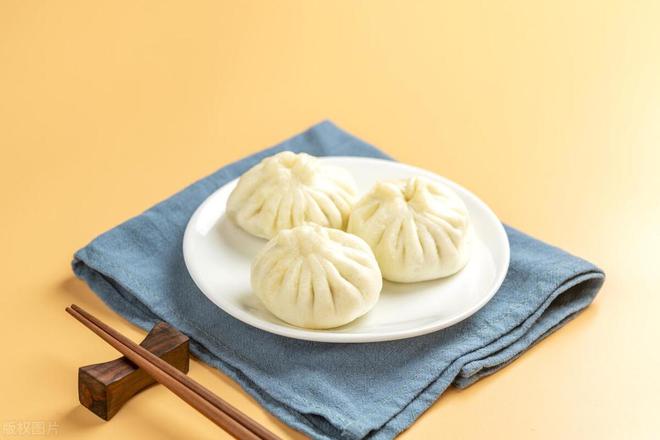
7. Control carbohydrate intake. If you want to manage your figure during the autumn and winter seasons, reduce the consumption of refined grains and opt for whole grains rich in dietary fiber, such as oats, brown rice, and corn. Whole grains are rich in dietary fiber, which can increase satiety and reduce total calorie intake. Studies have found that replacing part of the staple food with oats, maintaining a fist-sized portion of staple food per meal, can help reduce weight gain by about 2 pounds over a month.
8. Pay attention to portion sizes. During the autumn and winter seasons, it is important to control your intake and avoid overeating large meals, which can lead to an increased stomach capacity. Using smaller plates and utensils can effectively control the amount of food per meal. Eating until you are 70-80% full can help maintain a good figure.
For those looking to lose weight, following these 8 points will allow you to drop more than 10-15 pounds after entering autumn and achieve a good figure.