
Many people choose to skip dinner in order to lose weight. So, can skipping dinner really help lose weight?
Theoretically speaking, skipping dinner is equivalent to reducing the calorie intake of one meal. Under the premise of not eating other foods at night, it may lead to weight loss in the short term.



Because the body follows the law of conservation of energy. If the calories you consume in a day remain unchanged, a calorie deficit will be formed in the body, prompting the body to consume stored energy and the weight will drop.
However, skipping dinner for a long time may bring a series of health problems.
First of all, skipping dinner will put the body into a ‘hunger mode’. When the body feels insufficient energy intake, it will actively reduce the basal metabolic rate to save heat output. This is not only not conducive to weight loss, but also makes the body more inclined to store fat. Once you resume normal eating, the body will have a problem of excessive calorie intake and the weight is easily to rebound.
Second, the digestive system will be directly affected. Dinner time is usually when the digestive juices in the stomach and intestines are relatively active. If you skip dinner for a long time, gastric acid will stimulate the gastric mucosa. Over time, it may cause diseases such as gastritis and gastric ulcer.
Third, skipping dinner may affect sleep quality. Due to hunger, it may become difficult to fall asleep or be woken up by hunger during sleep. Poor sleep quality will affect hormone secretion. Hormones that stimulate appetite will increase, and it may also lead to overeating at breakfast and lunch the next day and consuming more calories.
Fourth, skipping dinner is easy to cause blood sugar fluctuations. After a day of activities, the body’s energy reserves have been consumed a lot in the evening. If no energy is replenished at this time, the blood sugar level at night may be too low, and symptoms such as dizziness, fatigue, and lack of concentration may appear. The heart may also have arrhythmia and other problems due to too low blood sugar.
To sum up, skipping dinner may see changes in weight in the short term, but it is not good for health, and the weight is also easy to rebound after resuming eating.
Dinner determines your weight and health. How is it better to have dinner?
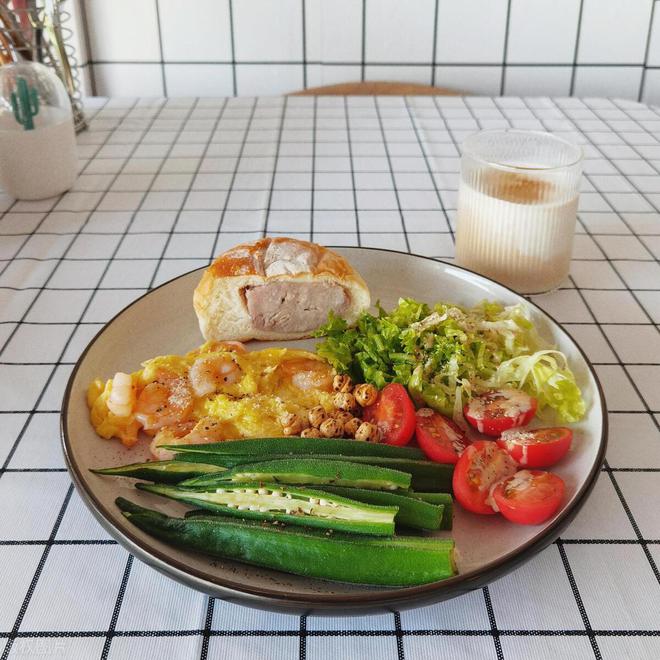
During weight loss, we should have dinner on time. A scientific fat-reducing dinner should be light and avoid eating rich food. Eat more vegetables rich in dietary fiber for three meals, such as broccoli, lettuce, winter melon, celery, tomatoes, etc., and eat less staple food (a fistful).
In terms of staple food selection, we should prefer coarse grains such as oats, brown rice, and corn. They are rich in dietary fiber and are relatively slow to digest and absorb, which helps to stabilize blood sugar levels.
Pay attention to the cooking method of dinner. Try to use low-oil and low-salt methods such as steaming, boiling, and cold mixing to reduce the intake of oil and salt. The calorie of dinner can be controlled at about 500-550 calories.
The time of dinner is also very critical. Try to have dinner earlier and finish eating about 3-4 hours before going to bed to give the body enough time to digest. Only when sleeping can the body continue to burn fat.