
How you eat dinner can significantly affect your weight and health! If dinner is overly rich with large portions of meat and high-calorie, high-fat foods, our bodies struggle to fully digest and metabolize these excess calories at night. Over time, this can lead to a gradual increase in weight and obesity.
On the contrary, a balanced, low-fat dinner can help reduce the body’s burden, improve health indicators, and manage weight effectively. For those looking to lose weight, dinner should be limited to 500-600 calories, and it’s best to eat until you’re about 70-80% full. Going to bed with a slight sense of hunger can speed up weight loss.


The timing of dinner is also crucial. Eating too late means your body has to work on digesting food when it should be resting, which can affect sleep quality and put unnecessary strain on your digestive system.
To manage your figure effectively, dinner should be eaten earlier, ideally finished before 7 PM, allowing for a four-hour gap before bedtime. This gives your body the chance to mobilize stored fat for energy during sleep.
For those looking to reduce fat, here are some dinner food suggestions that can help you lose weight effectively:
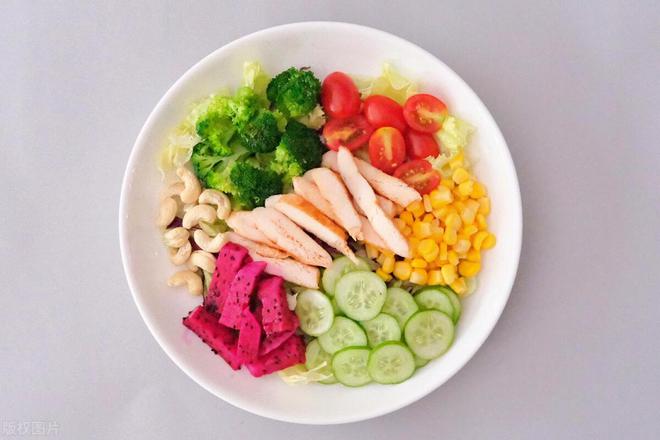
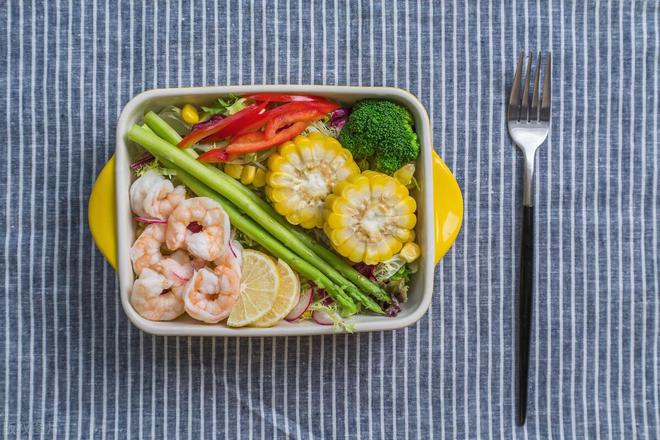
1. High-fiber vegetables – Various vegetables are rich in fiber and vitamins, minerals, which can aid in intestinal movement, promote metabolism, and help the body eliminate toxins. Broccoli, spinach, and carrots are tasty and nutritious, providing essential nutrients while being low in calories. Aim for half of your dinner plate to be filled with vegetables to reduce intake of high-calorie foods and help control weight.
2. Low-fat, high-protein foods – Foods like chicken breast, salmon, shrimp, eggs, and lean meats are indispensable for maintaining muscle mass and repairing tissue damage. Their low-fat nature means you can get the protein you need without the health risks associated with excessive fat intake.
3. Low-GI whole grains – Whole grain foods such as oats, brown rice, and whole wheat bread contain more dietary fiber and complex carbohydrates compared to refined grains like noodles and steamed buns. Having a fist-sized portion of whole grains as your dinner staple can slowly release energy, preventing rapid spikes and drops in blood sugar, and reducing fat accumulation.