
During fitness, there are six things that are generally recognized as not to be done. Otherwise, the training effect will be greatly reduced!
1. Don’t practice blindly in fitness but have a plan.
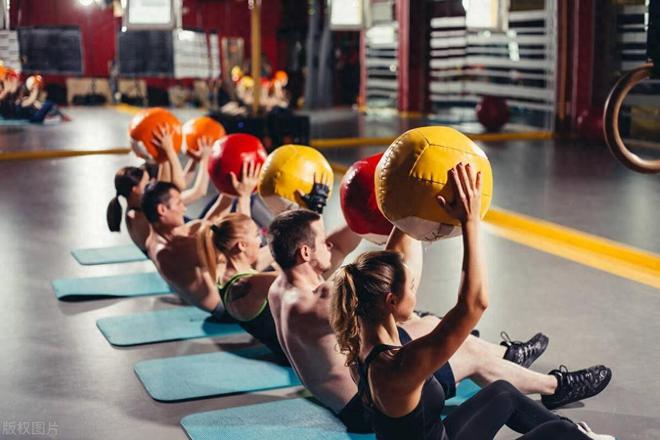


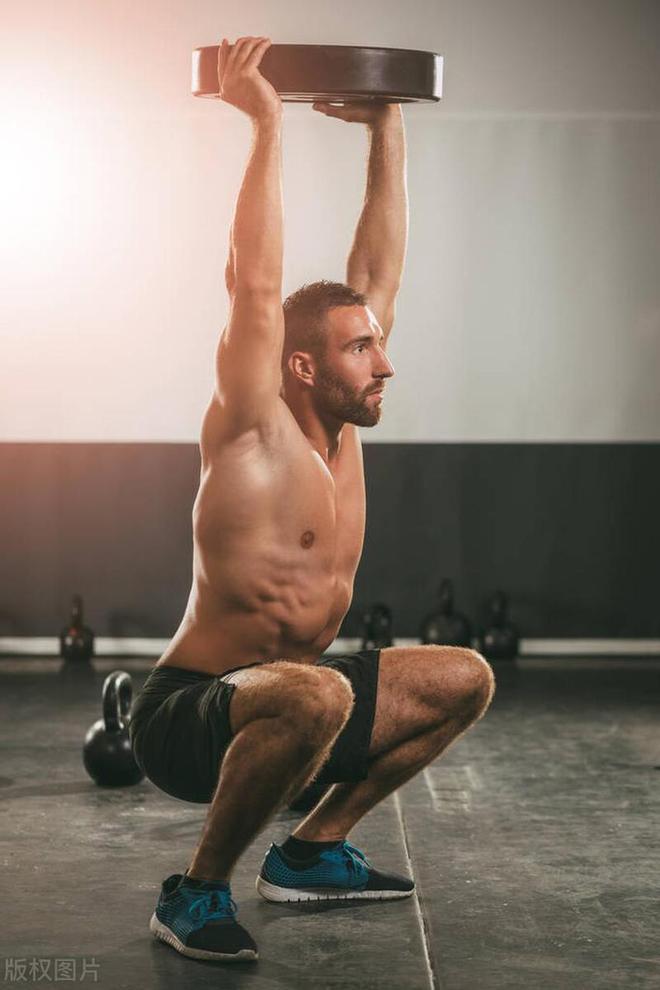


Fitness without a plan, blindly practicing without a clear direction. Sometimes over-fatigued and sometimes insufficiently trained. Such irregularity not only cannot effectively promote muscle growth and the improvement of physical functions but may also increase the risk of injury.
A scientific fitness plan should be comprehensively formulated based on multiple factors such as personal physical condition, fitness goals, and time arrangements. For example, if your goal is to increase strength, the plan should include more weight training; if it is for fat loss, the proportion of aerobic exercise needs to be increased accordingly.
Deciding how long each fitness session should be and choosing the intensity of exercise and progressing step by step in exercise. Such a clear and definite plan can allow you to train methodically and more efficiently build a good figure.
2. Don’t ignore warm-up before fitness.
If you don’t warm up before fitness, muscles and joints are in a relatively stiff state. Suddenly bearing high-intensity exercise loads is extremely likely to cause injuries such as strains and sprains.
Adequate warm-up exercises can improve joint flexibility, gradually increase heart rate, promote blood circulation, and gradually bring various parts of the body into a fitness state.
How to warm up effectively? You can activate cardiopulmonary function through simple aerobic exercises such as brisk walking or jumping jacks. Dynamic stretching movements can increase the range of motion of joints and relax muscles, preparing for the upcoming intense exercise.
3. Don’t engage in fitness immediately after a meal.
After a meal, the body is in the stage of digesting food. A large amount of blood will flow to the gastrointestinal tract to help digest and absorb the ingested nutrients.
If you start fitness exercises immediately at this time, the blood originally concentrated in the gastrointestinal tract will be diverted to exercise organs such as muscles. This will not only affect the normal digestion and absorption of food but may also cause stomach discomfort such as bloating, stomach pain, nausea, and even vomiting.
The correct approach is to take a walk after a meal and engage in low-intensity training to allow the body to complete the digestion process. Generally speaking, it is recommended to wait at least 1 – 2 hours before engaging in moderate fitness exercises. This can not only ensure the full digestion of food but also allow the body to perform at its best during exercise and achieve the ideal fitness goal.
4. Don’t smoke or drink after fitness.
Some people like to smoke and drink after fitness. This practice is not advisable. Harmful substances in cigarettes, such as nicotine and tar, will quickly enter the bloodstream, thus affecting the transportation and utilization of oxygen and also interfering with the normal metabolic process of the body, delaying the recovery and growth of muscles.
Drinking is also a “big enemy” of fitness. Alcohol can inhibit protein synthesis, thus affecting the repair and growth of muscles. At the same time, alcohol can also cause dehydration of the body, affecting the absorption and transportation of nutrients, making the body unable to recover in time and may even lead to the accumulation of fatigue and an increased risk of injury.
5. Don’t take a bath immediately after fitness.
Many people are sweating profusely after reducing weight and want to take a shower to cool down. However, after fitness, the heart rate of the body accelerates, blood circulation speeds up, and pores also fully open to help dissipate heat and excrete metabolic wastes from the body.
Taking a bath immediately at this time, especially taking a cold shower, will cause blood vessels to contract sharply, leading to insufficient blood supply to the heart and brain and causing discomfort symptoms such as dizziness and palpitations.
Taking a hot bath can cause blood to flow more towards the skin, further reducing the amount of blood flowing to the heart and brain, increasing the burden on the heart and being detrimental to health. It is recommended that after exercising, one should rest for a while, waiting until the body stops sweating and the heart rate returns to normal, approximately 30 minutes to 1 hour after exercising before taking a bath. Avoid cold or hot showers, and instead take a warm shower to allow the body to relax and clean adequately.
6. Do not neglect to hydrate during the workout process
During the workout, the body will sweat and lose water quickly. However, many people overlook the replenishment of fluids. Neglecting to hydrate during exercise can lead the body to gradually enter a state of dehydration, resulting in a series of adverse consequences.
Firstly, dehydration thickens the blood, affecting the efficiency of metabolism, increasing the burden on the heart, and causing a rapid decline in our physical strength and endurance. This will lead to a decrease in exercise performance and hinder muscle recovery and growth.
The correct approach is to drink an appropriate amount of water before exercising. During the workout, one should hydrate timely and in moderation, sipping water in small amounts multiple times to avoid discomfort in the stomach and intestines from drinking large amounts at once. It is more suitable to drink water at room temperature or slightly cool, which can quench thirst and be quickly absorbed by the body.